新闻摘要:
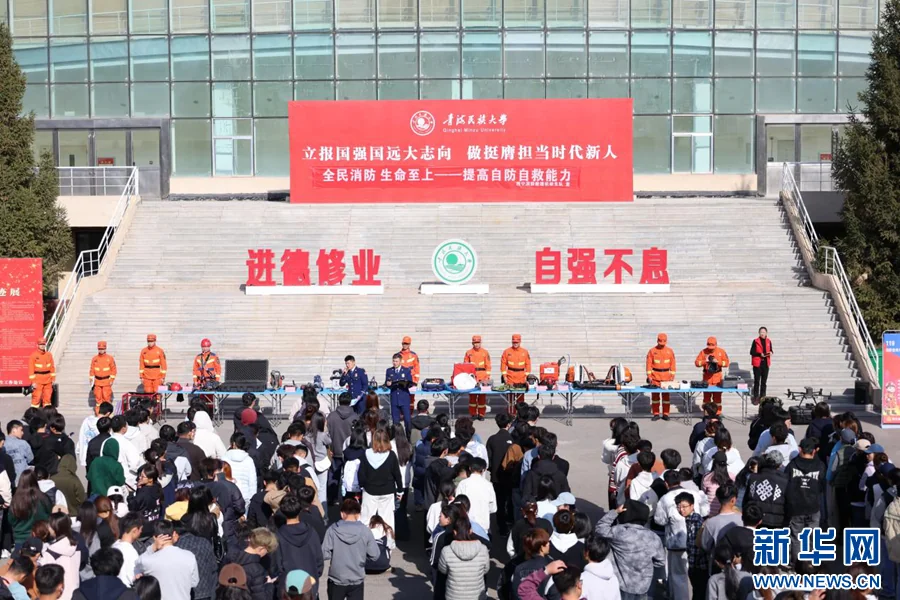
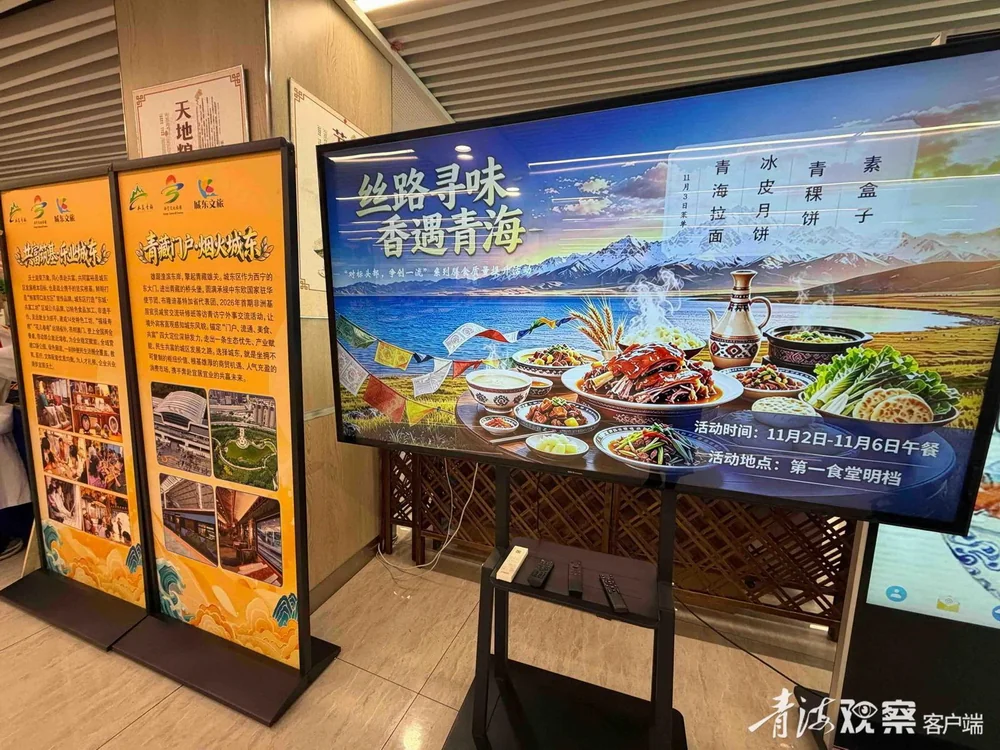
11月1日至7日,青海省西宁市城东区在外交部机关食堂开展“河湟味韵·进京飘香”非遗美食展示交流活动。活动以“非遗展演+日常供餐”的沉浸式形式呈现熬茶、酿皮、蒸糕、狗浇尿、甜醅等河湟特色美食,并由非遗传承人现场示范制作与讲解民俗待客礼仪。每天为约800名工作人员提供特色餐食,累计供应拉面4000余份、各类非遗美食5000余份。
除餐饮外,景泰蓝掐丝唐卡、河湟刺绣、宫廷玲珑枕等非遗手作也同步亮相,展示制作全流程。城东区依托“大坊带小坊”的供应链和14个“东城·共富工坊”,通过标准化生产、统一品控与包装,把山间工坊的手艺变成可推广的商品,带动万余人就近就业,增强了对外展示的实物与品牌力量。
思考与启发:
把地方滋味端上外交餐桌,不只是文化展现,也是对手艺与生计的尊重。将传统技艺与现代管理结合,既能让更多人认识河湟文化,也能把零散的劳作变成稳定的收入来源,这样的互助与勤劳在日常生活里最为实在。
天经常提醒我们,勤奋与精进会被看见。守护手艺、诚信生产、互助共建,不仅是经济上的出路,也是在平凡生活中对家乡的一种守望与负责。
经文:
《宰逋尔·箴言 22:29》
你看见殷勤的人吗?他必站在君王面前;必不站在下贱人面前。
链接:📖 查看经文
### English Translation
Title:
Flavors of Hehuang Come to Beijing
News summary:
From November 1–7, Chengdong District of Xining City (Qinghai Province) held an “Hehuang Flavors · Fragrance to Beijing” intangible cultural heritage food exhibition at the Ministry of Foreign Affairs staff cafeteria. The event used an immersive format—intangible cultural heritage demonstrations combined with daily meal service—to present local specialties such as boiled tea, niangpi (a kind of cold noodle), steamed cakes, gou jiao niao (a local fried pastry, literally “dog pees”), and tian pei (sweet fermented grain). Heritage bearers demonstrated how the foods are made and explained local hospitality customs. About 800 staff were served each day, with more than 4,000 bowls of lamian (hand-pulled noodles) and over 5,000 servings of various heritage foods supplied in total.
Beyond food, traditional handcrafts were shown as well, including cloisonné filigree Thangka, Hehuang embroidery, and imperial-style delicate pillows, with full production processes on display. Chengdong used a “big workshop leading small workshops” supply-chain model and 14 “Dongcheng Shared Prosperity Workshops” to standardize production, quality control, and packaging. This turned mountain workshops’ skills into marketable products, created nearby jobs for over ten thousand people, and strengthened the region’s tangible exhibits and brand presence.
Reflection and encouragement:
Bringing local flavors to a diplomatic dining table is more than a cultural show—it honors the craftspeople and their livelihoods. Combining traditional skills with modern management helps more people learn about Hehuang culture and turns scattered, informal labor into steady income. Such mutual help and hard work show up most clearly in everyday life.
Heaven often reminds us that diligence and steady improvement will be noticed. Protecting traditional crafts, producing with integrity, and building together are not only economic paths; they are a way of watching over and caring for one’s hometown in ordinary life.
Scripture:
Proverbs 22:29 (NIV)
Do you see a man skilled in his work? He will stand before kings; he will not stand before obscure men.
Link to the verse:
https://www.huizu-tianjing.icu/zaibuer/zhenyan/22
来源:http://qh.xinhuanet.com/20261106/0a51c94540c04a178b9124c72b5df9ea/c.html