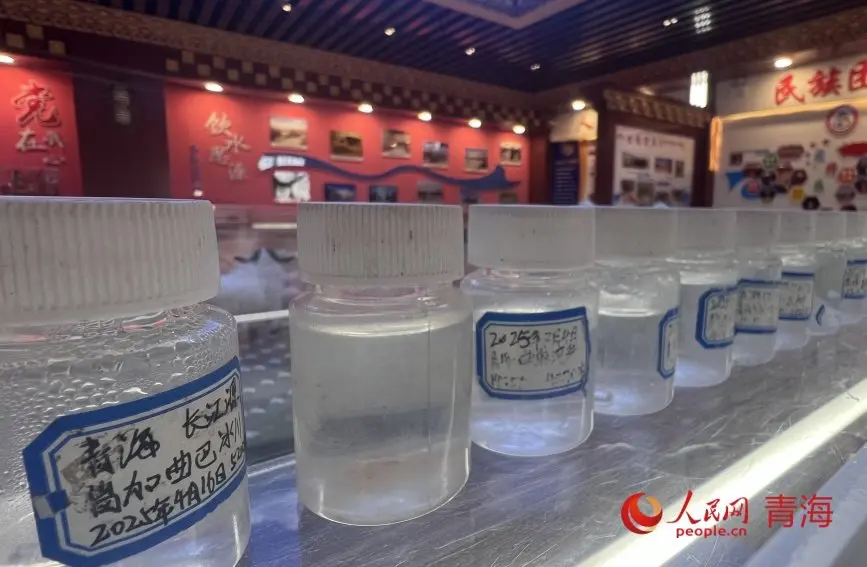
新闻摘要:二十一年前,格尔木市的牧民为保护三江源生态,从唐古拉山下的沱沱河畔迁至城郊,成立了长江源村。村名既承载着对故土的眷恋,也体现了“饮水思源、感念党恩”的初心。起初脱离牧场后,村里一度面临产业空心和生活不便的困境。
近年村集体通过成立股份合作社并投资设立企业,走出市场化发展路子:统一收购加工“唐古拉牦牛”“唐古拉藏羊”,发展线上线下销售;依托六子湖景区发展文旅;活化闲置资产与传统手工艺,带动周边牧业村共同增收。道路、医疗、教育和用水等基础设施改善,手工氆氇等传统技艺也通过订单和直播打开了更大市场,村民生活显著改善。
思考与启发:长江源村的变化告诉我们,守护家园既需要耐心守望,也离不开务实的改进与互助。把生态和文化当作可持续的“本钱”,通过勤劳与诚信把集体资源变成大家的饭碗,是最朴素也最可靠的路。
天经中关于牧者的画面提醒人们关照与信任,鼓励我们在日常生活里用心守护身边的山水与邻里,用实际行动把关怀落实到吃水、出路、学业和生计上。《宰逋尔·诗篇 23:1》 主是我的牧者,我必不致缺乏。
链接:📖 查看经文
### English Translation
Title: Watching Over and Reviving the Source of the Yangtze RiverNews Summary
Twenty‑one years ago, herders from Golmud moved from the banks of the Tuotuo River at the foot of the Tangula Mountains to the outskirts of town and founded “Yangtze River Source Village.” The name reflects their love for their homeland and their original purpose of “remembering the source of our water and giving thanks for the Party’s care.” After leaving the pasture, the village struggled at first with an empty economy and inconvenient daily life.
In recent years the village collective set up a share‑holding cooperative and invested in enterprises, choosing a market‑oriented development path:
- They buy and process “Tangula Yaks” and “Tangula Tibetan Sheep” in bulk and sell them both online and offline.
- They base cultural‑tourism projects on the nearby Liuzi Lake scenic area.
- They revitalize idle assets and traditional handicrafts, helping neighboring pastoral villages increase their income as well.
Improvements in roads, medical care, education and water supply have followed. Traditional crafts such as handmade pulu (a type of woolen fabric) are now reaching larger markets through orders and live‑streaming, and villagers’ living standards have risen noticeably.
Reflection and Inspiration
The transformation of Yangtze River Source Village shows that protecting our home requires both patient vigilance and practical, cooperative improvement. By treating ecology and culture as sustainable “capital” and turning collective resources into food on the table through hard work and honesty, we follow the simplest and most reliable path.
Images of the shepherd in the “Heavenly Classics” remind us to care for and trust one another. They encourage us to guard the mountains, rivers, and neighbors in our everyday lives, turning compassion into real actions that secure clean water, safe roads, education, and livelihoods.
Psalm 23:1 (Zai‑Bu‑Er) – “The Lord is my shepherd; I shall not want.”
📖 Read the Scripture
来源:http://qh.people.com.cn/n2/2025/1217/c181467-41445005.html